
A damp basement is more than just an inconvenience. Excess moisture can lead to mold growth, musty odors, peeling paint, wood rot, and even damage to furniture or stored belongings. That’s why investing in the best basement dehumidifier is one of the smartest ways to protect your home and improve indoor air quality.
Modern dehumidifiers are more powerful, quieter, and energy-efficient than ever before. Whether you have a large unfinished basement, a finished living area, or a small storage space, choosing the right unit can make a huge difference in comfort and moisture control.
According to recent expert testing, larger-capacity units with continuous drainage systems perform best in damp basement environments.
Why Basements Need a Dehumidifier
Basements naturally attract moisture because they sit below ground level. Poor ventilation, concrete walls, water seepage, and humid outdoor air all contribute to elevated humidity levels.
If your basement feels damp or smells musty, the humidity is likely above the recommended indoor range of 30% to 50%. High humidity encourages mold, mildew, and dust mites, which can affect both your home and your health.
A quality dehumidifier helps by:
- Removing excess moisture from the air
- Preventing mold and mildew growth
- Eliminating basement odors
- Protecting furniture and electronics
- Improving air quality
- Reducing condensation on walls and windows
What to Look for in a Basement Dehumidifier
Before buying a dehumidifier, it’s important to understand the features that matter most for basement use.
1. Capacity
Dehumidifiers are rated by how many pints of moisture they can remove per day. For basements, experts often recommend 35- to 50-pint models or larger. Oversizing is usually better than choosing a unit that’s too small.
2. Continuous Drainage
Emptying a water bucket every day becomes frustrating quickly. Many modern units support continuous drainage using a hose, while premium models include built-in pumps that can move water upward into a sink or drain.
3. Energy Efficiency
Look for Energy Star-certified models to reduce electricity costs, especially if the unit runs continuously during humid months.
4. Noise Level
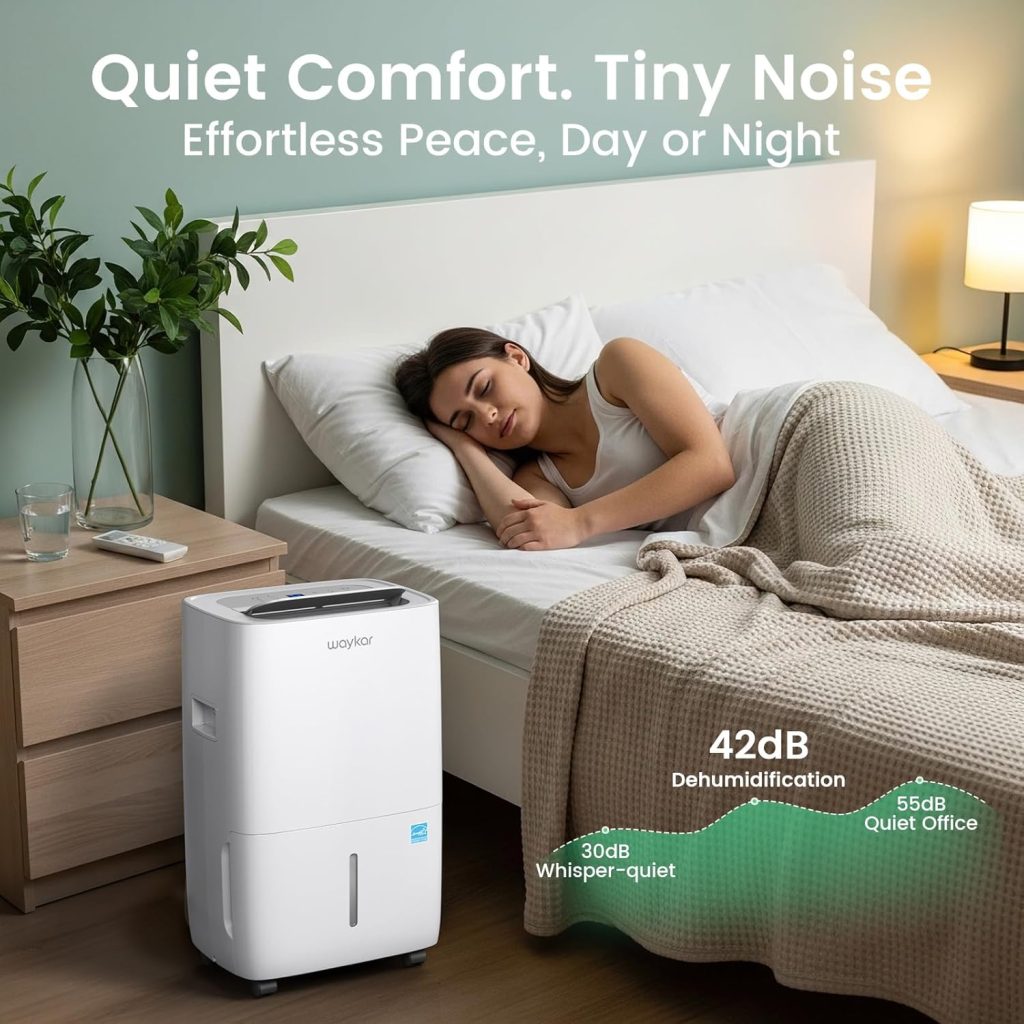
If your basement doubles as a home office, gym, or entertainment area, quieter operation matters. Some newer models offer low-noise fan settings designed for living spaces.
5. Smart Features
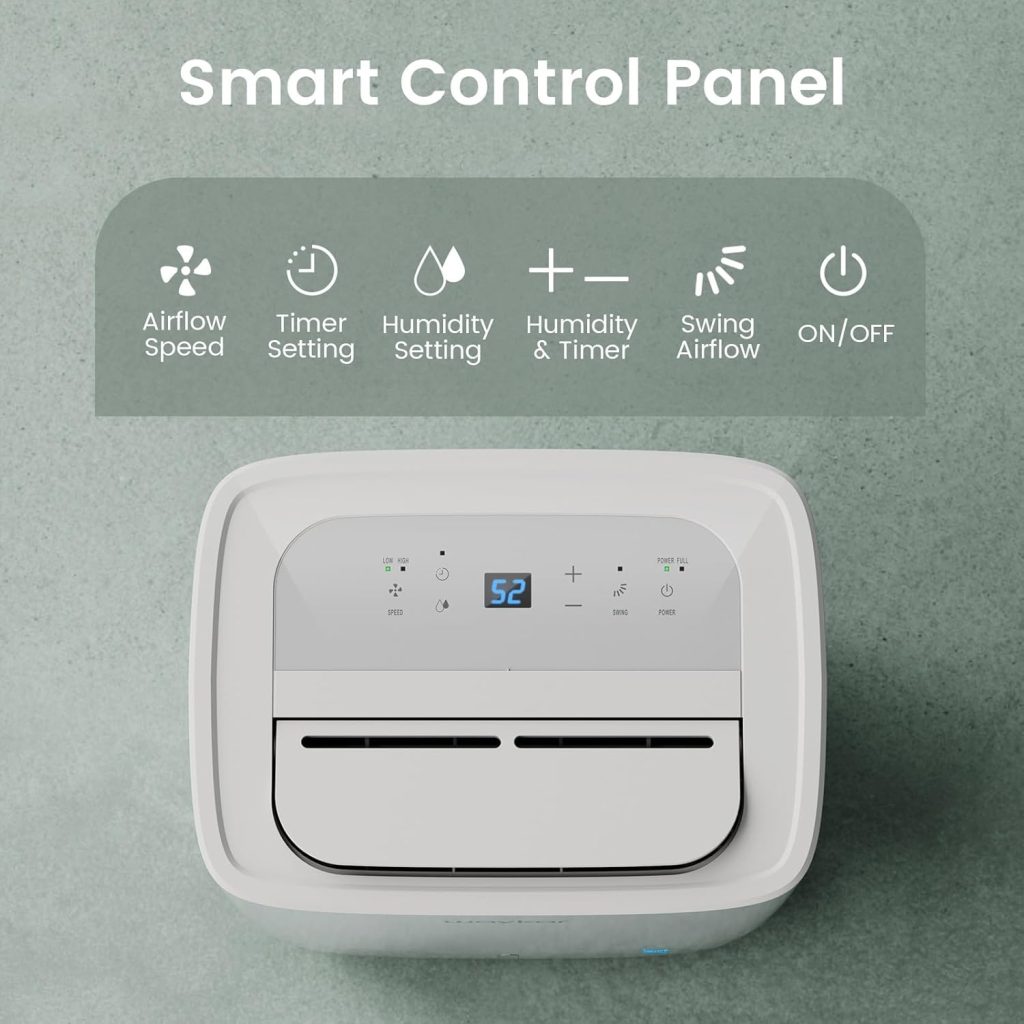
Wi-Fi connectivity, humidity monitoring, and app controls are increasingly common. These features let you monitor and adjust humidity remotely.
Best Basement Dehumidifiers in 2026
Here are some of the highest-rated options currently recommended by testing experts and homeowners.
Midea Cube 50-Pint Dehumidifier
The Midea Cube is widely considered one of the best overall basement dehumidifiers thanks to its strong moisture removal, compact footprint, and smart controls. Multiple review sites praise its performance in large and damp spaces.
Key highlights:
- Excellent for medium and large basements
- Expandable water tank
- Wi-Fi and app support
- Energy-efficient operation
Frigidaire 50-Pint Dehumidifier
Frigidaire remains a trusted name for basement humidity control. This model performs especially well in larger rooms and offers reliable long-term operation.
Best features:
- Powerful moisture extraction
- Easy-to-clean filter
- Continuous drain option
- User-friendly controls
Honeywell 50-Pint Dehumidifier
Honeywell models are known for durability and quieter performance. Some versions include frost-control sensors that work well in cooler basement environments.
Why homeowners like it:
- Quiet operation
- Built-in pump on select models
- Accurate humidity control
- Strong reliability ratings
GoveeLife 50 Pint Dehumidifier
One of the newer standout models, GoveeLife impressed reviewers with fast humidity reduction and modern smart features.
Top benefits:
- Smart home integration
- Strong airflow
- Effective in large damp spaces
- Easy mobile app controls
Tips for Better Basement Moisture Control
Even the best dehumidifier works better when combined with good basement maintenance.
Here are a few extra tips:
- Seal cracks in basement walls and floors
- Use a sump pump if flooding is common
- Improve ventilation where possible
- Keep gutters and downspouts clear
- Avoid drying laundry in the basement
- Clean the dehumidifier filter regularly
Experts also suggest setting your dehumidifier between 45% and 50% humidity for ideal comfort and mold prevention.
Final Thoughts
Choosing the best dehumidifier for your basement depends on the size of your space, humidity level, and drainage needs. For most homeowners, a 50-pint model with continuous drainage offers the best balance of performance and convenience.
The Midea Cube, Frigidaire, Honeywell, and GoveeLife models consistently rank among the best options because they combine efficient moisture removal, smart features, and dependable operation. With the right dehumidifier, you can transform a damp, musty basement into a cleaner, healthier, and more comfortable space year-round.